




Melbourne’s Second-Hand Dealing Market Has Rules Most Buyers and Sellers Don’t Know Exist

67Views
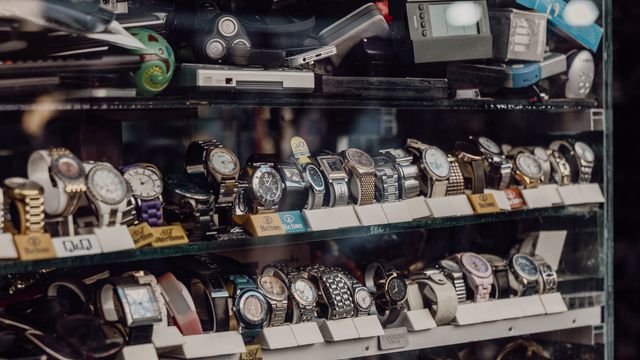
Walk into a second hand dealer in Melbourne with some gold jewellery to sell, a watch to get valued, or even something to buy, and most people figure the transaction is just a casual affair, no fuss, no muss. In reality though, there’s a quite formal regulatory framework in place that lays down specific rules for the dealers and gives both sellers & buyers some pretty robust protections. Unfortunately, not many people are aware of these protections, which is a real shame because they can make all the difference when it counts.
How the Licensing Framework Really Works?
In Victoria, second hand dealers are required to be properly registered under the Second Hand Dealers and Pawnbrokers Act 2008, which is overseen by Consumer Affairs Victoria. Now registration isn’t automatic; you’ve got to pass a proper ‘fit and proper person’ assessment before you can get a licence. And if you want to check if a particular business is licensed, you can just search the public register run by Consumer Affairs Victoria, it’s a really handy way to do it. This is the most reliable starting point for finding second hand dealers Melbourne that operate within the law.
Licensed dealers have got to keep a record of all the goods they buy, which includes a proper description of each item, the seller’s ID details and how much they paid for it. That’s good news for the police, and for anyone selling goods through a licensed dealer, because it means that the trail of proof is right there for everyone to see, and they can’t get rid of stolen goods by selling them to some dodgy dealer.
So the practical upshot for sellers: you’ll probably have to show some ID, a Victorian driver’s licence is usually the standard, but there are exceptions for minors who’ve got a guardian with them, or for people who are clearly under the influence or don’t have any ID.
Getting a Fair Price When You Sell
The offer a second hand dealer makes is basically going to be based on how much they think they can sell the item for at a profit. It’s about how much they think they can flip it for, not how much it would cost to replace it brand new or even to get some insurance money for. These numbers are completely different.
If you’re selling gold or precious metals, knowing the current market price for it is a pretty good starting point for figuring out if the offer is fair. With watches from well known brands, having all the original packaging and documentation can get you a higher price than if you just walk in with the watch itself. It’s all about what they can resell it for, and where it came from has a lot of value in that world. So getting a few dealers to make some valuations before you decide what to do is completely reasonable. A professional business will give you space to think about it, and not rush you into making a decision on the spot. If they are pushing you to make a deal right away, well, that’s probably a pretty good sign that something’s not quite right.
What Is the Buyer Covered By?
Any good bought from a licensed second-hand dealer in Victoria is protected under Australian Consumer Law irrespective of being used. In terms of consumer guarantees, the good should correspond to its description, be of satisfactory quality taking into account its age and condition, as well as be fit for the particular use declared at the moment of the purchase.
Any licensed second-hand dealer who declares that the item is operational while it isn’t or that it is authentic when it isn’t breaches the Australian Consumer Law. Consumer Affairs Victoria and Fair Trading Victoria investigate consumer complaints. According to the December 2025 report of the ACCC concerning second-hand goods there were more than 13,000 complaints made to state and territory consumer protection agencies about second-hand goods issues during the 2024-25 financial year which shows how frequent the disputes in this sphere. Knowing that there is a way to complain changes everything.
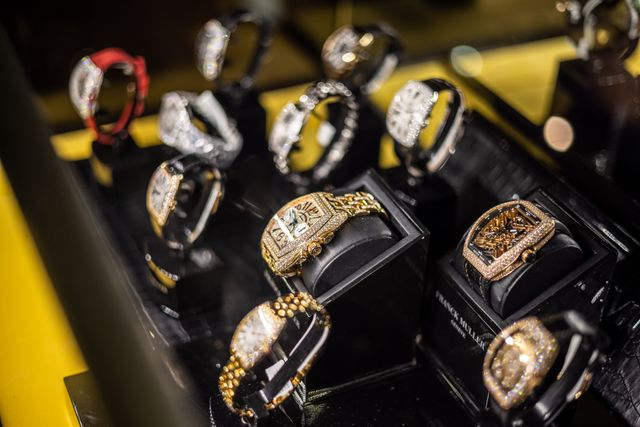
When a Loan Is Better Than a Sale?
Sale is a permanent deal. The pawn loan is temporary. In cases when there is a sentimental value attached to the item and if the buyer is going to regret permanently losing the item once he gets over the need for the money, pawn shop gives the possibility to return the item within the term of the loan agreement.
The decision to take a pawn loan is based on the following three honest assessments: the term of the cash need; the cost of recovery in comparison with the sale price; whether the item is irreplaceable. For most of the people who bring their jewellery or watch to the licensed Melbourne pawn dealer, the answer to these questions is “yes”.
Tags:KS







1 Comment
Comments are closed.