




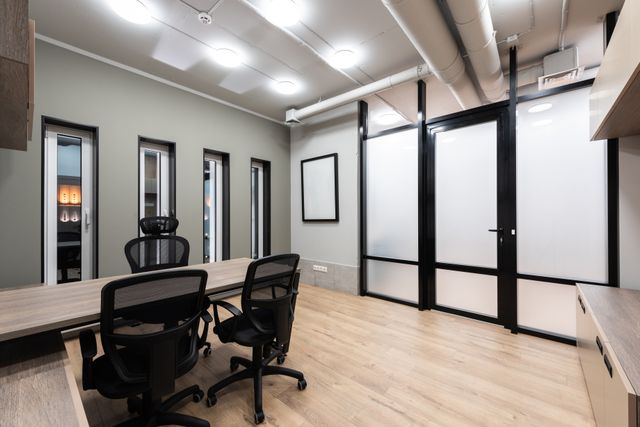
Dividing an Office Without Turning It Into a Maze starts with the everyday reality of hybrid workplaces that need focus rooms and shared light. Teams that try to build privacy without losing openness often work around small inconveniences until the pattern becomes hard to ignore. Here, the utility of transparent partitions to organise work while maintaining visual connection is more useful as context than as a dramatic conclusion. Divide an office without creating a maze. Looking closely at what’s changed, when it changed, and what influence it creates, creates a calmer basis for deciding what deserves attention first.
The most useful opening observations for dividing an office without creating a maze are acoustic expectations, door locations and natural light. These details give teams trying to create privacy without losing openness a better way to frame the situation and to distinguish a one-time occurrence from a repeated one. The object of partitioning an office without creating a maze is not to find the answer but to find enough real-world information to make the next conversation specific rather than generic.
Draw The Movement Before Walls
When the request is about how transparent partitions can organise work while maintaining visual connection, glass partitions become meaningful for teams trying to create privacy without losing openness. The practical question in dividing an office without creating a maze is how future layout changes fit with the surrounding conditions and the result the client really wants. A useful starting point for discussion should be about what will be observed, what is uncertain and which decisions can be delayed until the situation is better understood when dividing an office without creating a maze rather than presuming every situation requires the same response.
Borrowed Light: Balancing Privacy
Divide an Office Without Making It a Maze: Acoustic Expectations as a Checkpoint, Not a Conclusion. It should be read in conjunction with door locations, as those two pieces of information may interact in a way that is easy to miss if they are read separately. Adding natural light into the same review gives the decision a more solid baseline. This sequence allows urgent concerns to remain visible without getting smaller refinements in the way of the main purpose of this particular task. Within dividing an office without it becoming a maze.
The next stage of dividing an office without creating a maze is to ask whether the original plan still fits. This places future layout changes alongside the question of how transparent partitions can organise work while maintaining a visual connection. For teams attempting to build privacy without sacrificing openness, that comparison may reveal a constraint, prep step, or alternative that wasn’t apparent initially. It also gives a logical point to change the sequence before time, money or effort is spent on a direction that no longer correlates with the evidence collected for this situation. Within dividing an office without turning it into a maze.
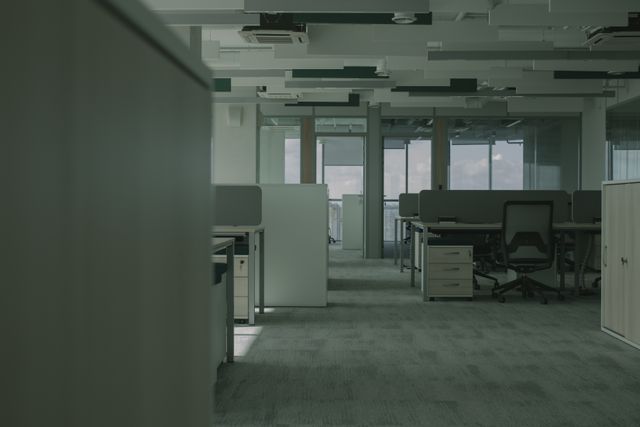
Design doors people actually walk through.
The lasting benefit of splitting an office without making it a maze is clarity. A simple record of acoustic expectations, door locations, natural light and any follow-up involving future layout changes gives teams the dependable benchmark they need to make privacy without sacrificing openness decisions in the future. Hybrid workplaces need focus rooms and shared light, and conditions can change, and new people can join later. Good work should leave enough context for the next discussion to start from evidence, not memory. Splitting an office without creating a maze, that makes a one-off decision easier to sustain and revisit.
Tags:KS